
Robotic vacuums for carpet have improved significantly in recent years, offering powerful suction and smart cleaning features. If you have thick rugs or high-pile carpet, choosing the right model is essential for deep and efficient cleaning.
What Makes a Robot Vacuum Good for Carpet?
When choosing robotic vacuums for carpet, several features make a big difference in performance.
Strong suction power helps lift dirt embedded deep in carpet fibers, while advanced brush systems prevent hair tangles. Smart sensors also allow the vacuum to automatically adjust settings when moving from hard floors to carpet.
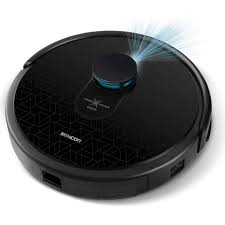
Best Models for Carpet Cleaning
When looking for the best robotic vacuums for carpet, it’s important to choose models designed specifically for deep cleaning performance. Not all robot vacuums are built the same, and carpets require more power and smarter technology than hard floors.
High-end robotic vacuums for carpet usually offer suction power above 2500Pa, which allows them to lift dirt, dust, and debris embedded deep within carpet fibers. This is especially important for homes with pets or high foot traffic.
Another key feature is the brush system. Dual brushes or rubberized rollers help agitate the carpet and loosen debris before it is suctioned into the vacuum. This improves cleaning efficiency and prevents hair from getting tangled.
Many advanced models also include carpet boost technology. This feature automatically increases suction when the vacuum detects carpet, ensuring optimal cleaning without requiring manual adjustments.
Features to Look For in Robotic Vacuums for Carpet
Choosing the right robotic vacuums for carpet involves understanding which features truly make a difference.
First, automatic suction adjustment is essential. This allows the vacuum to switch between floor types seamlessly and maintain strong performance on carpets.
Second, anti-tangle brushes are very useful, especially in homes with pets. These brushes reduce maintenance and keep the vacuum running smoothly.
Smart mapping and navigation are also important. Modern robotic vacuums for carpet use sensors and AI mapping to clean efficiently without missing spots or repeating the same areas.
Battery life is another factor to consider. Larger homes or thick carpets require more energy, so a longer battery life ensures the vacuum can complete a full cleaning cycle.
Common Mistakes to Avoid
One common mistake when buying robotic vacuums for carpet is choosing a model based only on price. Cheaper models often lack the suction power needed for deep carpet cleaning.
Another mistake is ignoring navigation features. Without smart mapping, the vacuum may miss areas or clean inefficiently.
It’s also important to avoid models that don’t have carpet detection, as they won’t adjust suction properly and may leave dirt behind.
Final Verdict
Robotic vacuums for carpet are a great investment for maintaining a clean home with minimal effort. By choosing a model with strong suction, advanced brushes, and smart features, you can ensure better cleaning results and long-term performance.
FAQ
What is the best robotic vacuum for carpet?
The best robotic vacuums for carpet are models with strong suction power, usually above 2500Pa, combined with carpet boost technology. These features help lift dirt and debris from deep within carpet fibers for more effective cleaning results.
Do robotic vacuums work well on thick carpet?
Yes, high-quality robotic vacuums for carpet can handle thick carpets, but they must have powerful suction and advanced brush systems. Cheaper models often struggle and may leave dirt behind on high-pile surfaces.
How often should I use a robot vacuum on carpet?
For best results, robotic vacuums for carpet should be used at least 3–4 times per week. Frequent cleaning helps prevent dust buildup and keeps carpets looking fresh, especially in homes with pets or heavy foot traffic.
Hi, this is a comment.
To get started with moderating, editing, and deleting comments, please visit the Comments screen in the dashboard.
Commenter avatars come from Gravatar.